How AI Is Redefining the Future of Creative Workflows
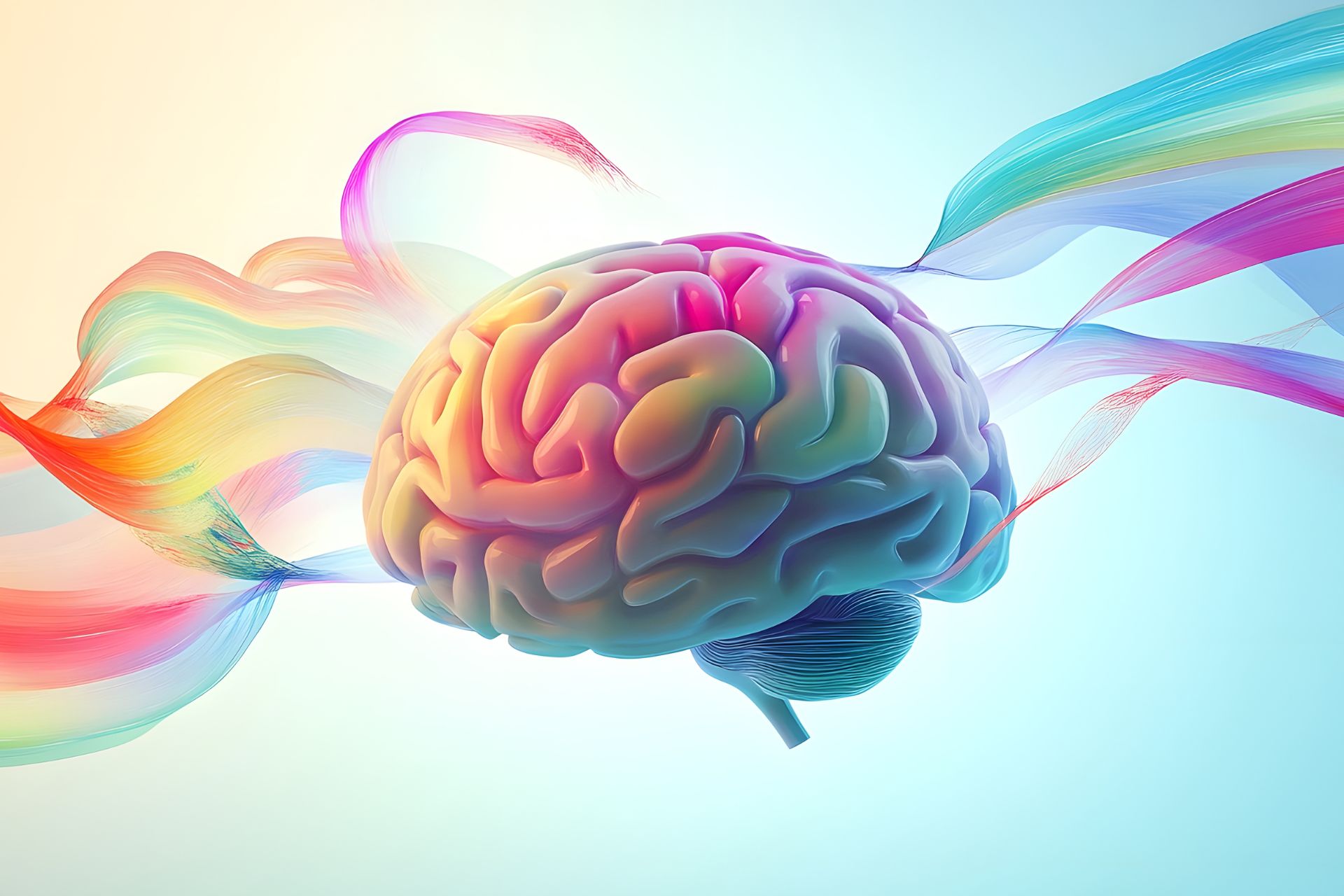
Contrary to what you might think, AI isn’t gunning for your job, it’s changing how you do it. And judging by the stats, most creatives have already welcomed it into their workflows.
More than 80% of creatives are using AI, and 58% believe that in five years, AI will play a role in every single creative project. So no, it’s not all just hype. The creative industry is quietly rewriting itself in real time.
AI is transforming creative workflows from start to finish – reshaping how ideas are generated, refined, and delivered. Which leads to an all-important question: how do creative teams evolve their processes to thrive in this new era?
A Tool for Creative Expansion
AI’s earliest impact in content production was all about efficiency – being able to automate routine tasks and speed up workflows. And while it excels at streamlining processes, its potential goes far beyond that.
AI is making space for creative expansion – of ideas, experimentation, and possibilities teams can explore. It broadens the boundaries of what they can imagine, opening up new paths for exploration and innovation.
The most forward-thinking teams treat AI as a creative sparring partner. It’s there to challenge thinking, generate variations of early ideas, and surface possibilities that might never emerge in a traditional workflow.
Creativity’s Competitive Edge Will Still Be Human
Here’s the paradox of AI: the more “intelligent” our tools become, the more valuable human creativity, intuition, and taste will be.
Yes, AI can optimize and scale our processes – but it can’t feel. It can’t read cultural nuance, understand subtext, or sense when an idea gives you that “okay, this is it” spark. That level of instinct is still very much what people do best.
Creative workflows of the future won’t be defined by sheer output or speed. They’ll be defined by how deeply it connects with audiences – and that requires taste, nuance, and emotional intelligence. The human layer is what keeps brand stories unique and memorable, especially as AI-generated content starts to flood every channel.
Creative Leadership Must Evolve With the Times
AI is forcing creative teams to redefine what leadership looks like. The best creative directors of the next decade won’t just manage people, they’ll manage systems.
They’ll design workflows that blend human insight and machine intelligence. They’ll know when to automate, when to improvise, and when workflows need people to step in for creative judgment and skill.
AI can scale the what and how, but people will always guide the why – the vision, ethics, and distinctiveness that define great creative work.
Quick Tips on How Teams Can Prepare
The future of creative work won’t be built by AI tools alone, it’ll be built by teams who know how to incorporate them.
Audit your workflow. Identify what slows your team down and where automation could help.
Build AI literacy. Train your teams to experiment with AI tools and understand their creative potential, not just their shortcuts.
Create guardrails. Set clear standards around brand voice, ethics, and review processes before scaling automation.
Measure what matters. Look beyond efficiency. Evaluate creative quality, consistency, and audience impact.
Always validate outputs. A human should QC and review all AI-generated work to check nuance, quality, and alignment with brand standards.
The Takeaway: Creativity Isn’t Diminishing – It’s Evolving
AI isn’t replacing creative talent – it’s elevating what creative teams are capable of. It challenges us to think bigger, iterate smarter, and build more dynamic, adaptive content than ever before.
Those who embrace AI as a partner – not a threat – will open up a new era of possibility: richer ideas, broader creative exploration, and smarter workflows built for the pace of modern storytelling.
The conversation around AI moves fast, but we stay close to how these tools are evolving. If you’re looking for a grounded perspective on the balance between new technology and brand nuance, we’re always happy to share what we’re seeing. Get in touch.